
Seasonal · Homeowner guide
Lake Homes and Seasonal Fireplaces: Chimney Care Between Visits
What happens to a chimney while a lake home sits closed, and the checks that make the first fire of the season a safe one.
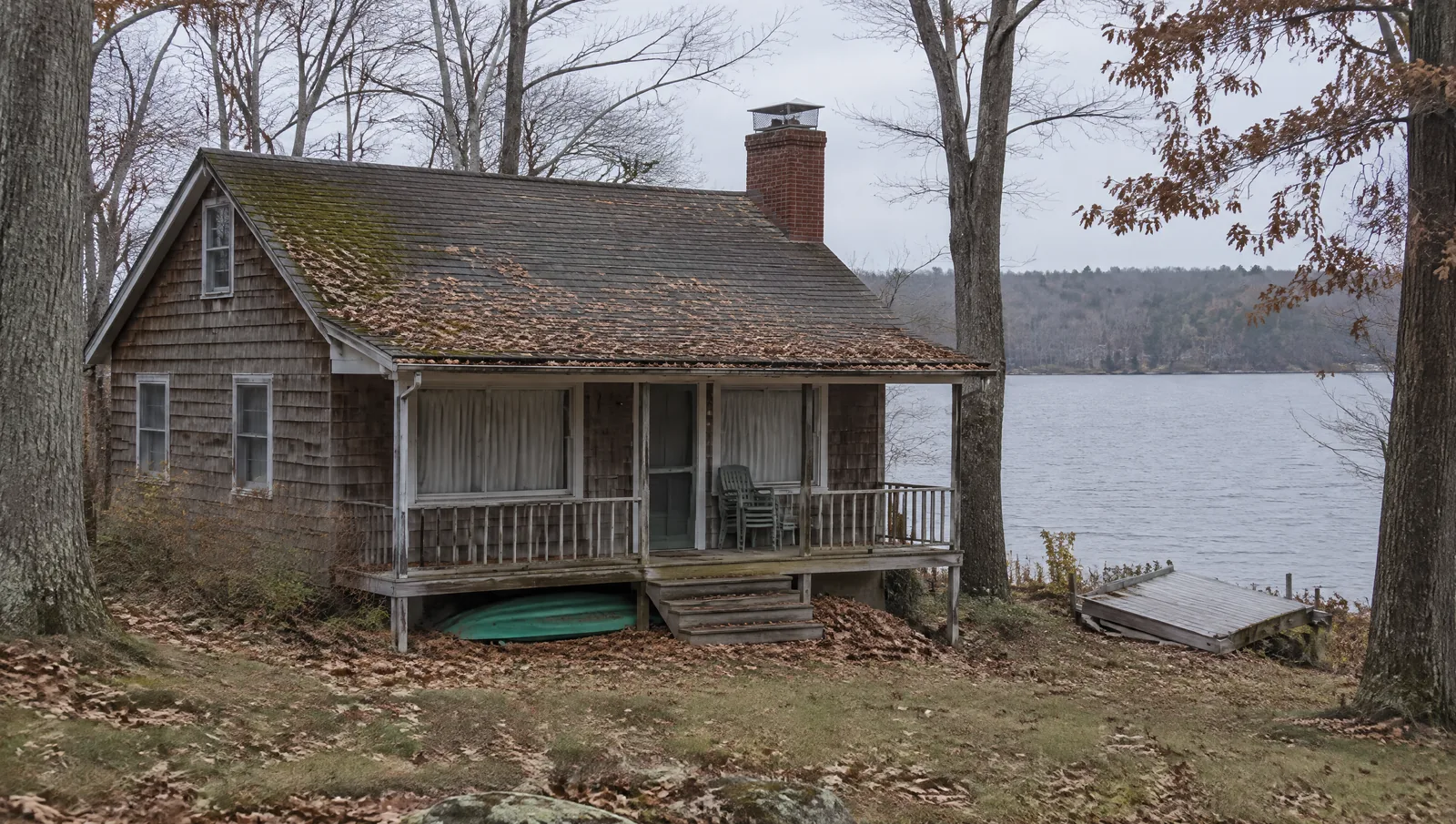
Plenty of houses around Lake Mohawk and the other lake communities in this part of New Jersey were built to be used a few months a year. Many are lived in full time now, but some still sit closed for weeks at a stretch. Lake house chimney care looks different when nobody is there to notice a problem as it starts.
A chimney that goes unused does not stay unchanged. Animals look for shelter in it, damp air settles in the flue, and a furnace or boiler may keep sending exhaust up a neighboring flue the whole time the house is empty. This guide covers what tends to happen during those quiet weeks, what to check before the first fire, and how to close a house up for the cold months.
What changes in a chimney while the house is closed
An occupied house gives a chimney a steady routine. Fires are lit, the damper opens and closes, and someone usually notices a new smell or a sound in the wall. Take that routine away for a season and small problems get time to grow without anyone watching.
Birds and animals move in
An open flue on a quiet lot is an easy place to nest. CSIA lists animal and bird nests among the usual causes of blocked flues, and a nest built over one summer can close off a flue completely. Squirrels and raccoons often get in through a cap with torn mesh, or through a flue that never had a cap at all.
Chimney swifts are a special case. They are protected under the Migratory Bird Treaty Act, and the Humane World for Animals guidance is to wait until the young have left the nest before cleaning, then remove nest material after the birds leave in the fall. If you hear chattering inside the chimney in summer, leave it be and plan the sweep for the fall.
Damp, still air and a stale smell
A closed house with no fires lets humid air sit in the firebox for weeks. CSIA explains that the smoky smell many people notice in warm months comes from creosote deposits in the chimney, and that it gets worse when humidity is high and air is being drawn down the flue. A cleaning removes the source, and a tight top-sealing damper cuts down the air that moves down the chimney.
Where the damper was left
A damper left open while the house is empty lets rain, leaves and insects drop onto the smoke shelf, and it lets conditioned air leak out. A damper left shut keeps more out, but an old metal plate can rust or stick if moisture collects above it. Work it by hand before anything is lit. CSIA says the damper should be fully open before you light a fire.
Heating appliances keep venting when nobody is home
Many lake houses that have been winterized rely on an oil or propane furnace or boiler, often set low to keep pipes from freezing while the owners are away. That appliance still sends exhaust up its flue every time it fires. If a nest, fallen debris or a flake of clay liner blocks the flue, the exhaust can spill back into the house, and there may be nobody inside to notice.
CSIA points out that many gas appliances use chimneys that once served oil furnaces, and that clay liners can flake off under corrosive conditions and produce debris that blocks the chimney. It also advises having an oil flue inspected every year.
Carbon monoxide alarms matter even more in a home used on and off. The U.S. Fire Administration advises installing them in a central spot outside each separate sleeping area and on every level of the home. The Consumer Product Safety Commission recommends testing alarms monthly and replacing their batteries once a year. In a seasonal house, test every alarm on the day you arrive, before anyone goes to sleep.
Lake house chimney care before the first fire of the season
The first fire after a long break is the one most likely to turn up a problem. A short walk-through catches the obvious issues, and a yearly inspection catches what cannot be seen from the hearth.
- From the yard, look for a missing or bent cap, loose brick or plants growing in the joints
- Check the hearth and smoke shelf for twigs, leaves, droppings or curved bits of clay tile
- Open and close the damper by hand and make sure it moves fully both ways
- Shine a flashlight up the flue and look for nesting material or a blocked view of the sky
- Test the smoke and carbon monoxide alarms and replace any dead batteries
- Clear snow, leaves and brush away from the outdoor vents for the furnace, stove and dryer, as USFA recommends
Closing the house for winter
A careful closing makes the spring opening easier. Clean the ash out of the firebox once it is completely cold, because ash and creosote left in a shut room through a damp season are what greet you as a campfire smell on your return. Close the damper or the glass doors so drafts and animals have one less way in.
Book the sweep and inspection before you leave rather than after you come back. A cracked crown or a lifted piece of flashing is easier to deal with while someone is still at the house, and a winter of freezing and thawing will widen any crack that is left open. If the furnace or boiler will run while the house sits empty, its flue deserves the same attention. Ask a neighbor or caretaker to call you if an alarm sounds or the house smells of exhaust.
Firewood that waited in the shed
Wood left stacked between visits can soak up moisture from damp ground and rain. The EPA says wood burns best at a moisture content under 20 percent, recommends seasoning it for at least six months, and suggests testing it with a moisture meter before burning. It also advises storing wood outdoors, off the ground, with only the top covered, since covering the sides traps moisture in. Damp logs burn cool and smoky, and they leave more creosote behind in the flue.
Old summer cottages, year-round chimneys
Lake Mohawk shows how these homes changed. Work on its dam began in 1926, and the community was made up of summer residences before it took on a year-round population. A fireplace meant for cool evenings in July may now be asked to help heat a house through a northern New Jersey winter, sometimes beside a heating appliance added long after the chimney was built.
Decades of light use can hide wear. A clay liner with a hairline gap, or a crown that has slowly crumbled, may hold up through a few weekend fires and only cause trouble once the chimney runs every day. An inspection before the first full winter of regular use gives you a clear starting point.
For homes in and around Lake Mohawk, our page on booking a chimney sweep in Sparta goes further into the township's housing, heating fuels and winter weather.