Safety · Homeowner guide
Fireplace Safety in Rental Homes: Landlords and Tenants
A practical guide for both sides of the lease: what to check between tenants, what New Jersey requires, and what to report before anyone lights a fire.
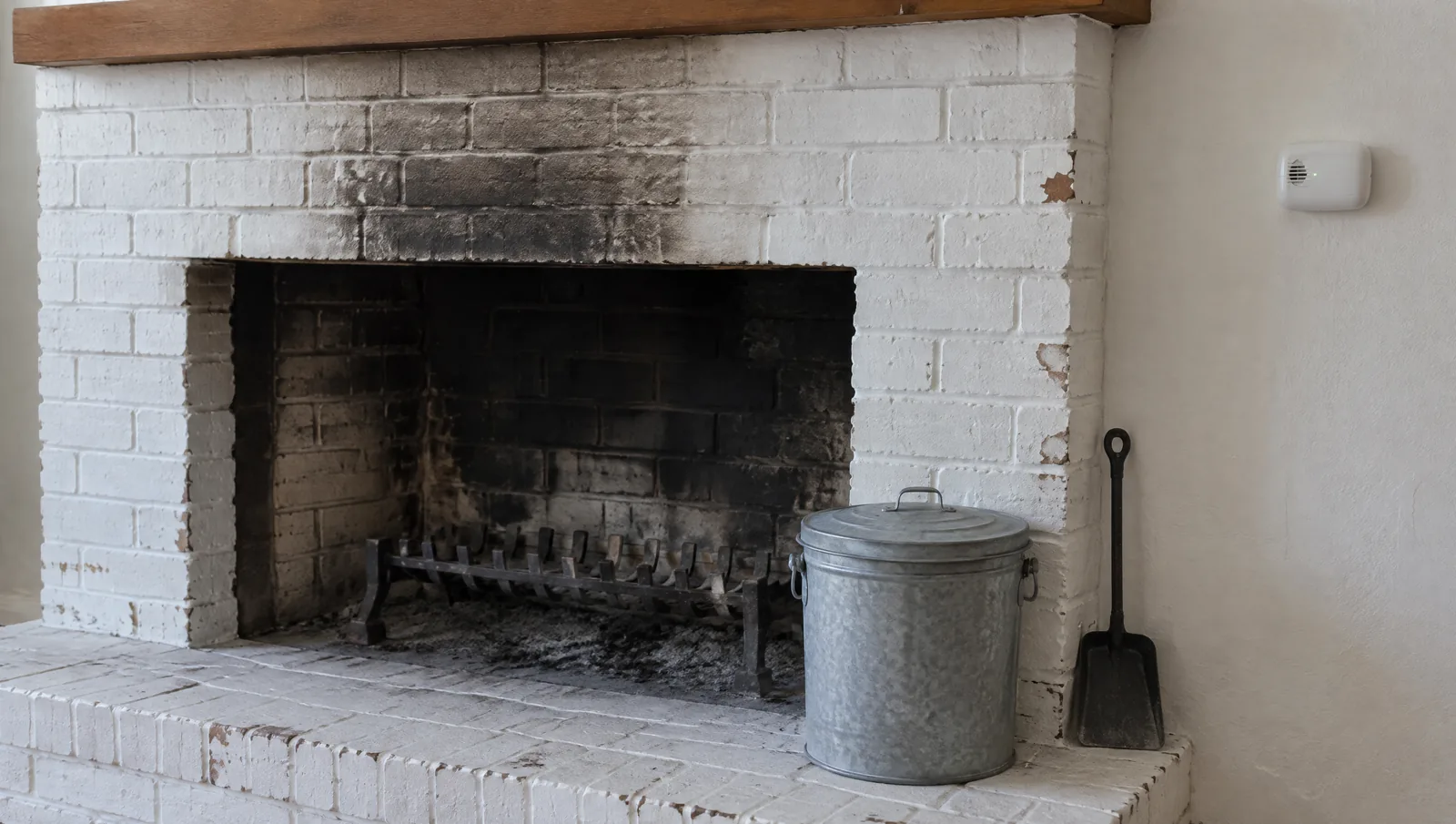
A fireplace can be one of the nicest features in a rented house or apartment. It also sits at the meeting point of two people's responsibilities. The landlord owns the chimney, but the tenant is the one who strikes the match.
This guide is for both of them. It covers how chimney care is usually divided, what New Jersey requires before a home is leased, what a landlord should check between tenants, and the habits that keep a tenant's fires safe. It is general information, not legal advice, so the lease and local officials have the final word on your situation.
Start with the lease
We have not found a New Jersey rule that sets a chimney-sweeping schedule for rental homes. That leaves the lease and good practice to fill the gap. A clear lease says which fireplaces or stoves may be used, who arranges inspections and sweeping, and how the tenant should report a problem.
Good practice has a well-known benchmark. The Chimney Safety Institute of America points to NFPA 211, the national standard for chimneys and fireplaces, which calls for chimneys, fireplaces and vents to be inspected every year. A landlord who schedules that yearly inspection, and keeps the report, has a simple answer when a tenant asks whether the fireplace is safe to use.
What New Jersey requires when a home is leased
For one- and two-family homes, New Jersey's fire code requires the owner to obtain a certificate of smoke alarm, carbon monoxide alarm and portable fire extinguisher compliance before the home is sold, leased or otherwise changes occupancy for residential use. The rule, N.J.A.C. 5:70-2.3, says that certificate cannot be issued unless the home has a listed carbon monoxide alarm, except in a building with no fuel-burning appliances and no attached garage.
A fireplace, a wood stove, a gas or oil furnace and a gas water heater are all fuel-burning appliances, so most rentals with a chimney fall under the carbon monoxide requirement.
Larger buildings are covered by the state's regulations for hotels and multiple dwellings. A notice from the New Jersey Bureau of Housing Inspection explains that those rules require single-station carbon monoxide alarms within 10 feet of sleeping areas in every dwelling unit of a building that contains a fuel-burning appliance or has an attached garage. The local fire official can explain how certificates and inspections are handled in your town.
For landlords: what to check between tenants
Turnover is the easiest time to deal with a chimney, because the unit is empty and nobody is waiting to light a fire. A short routine covers most of the risk.
- Have the chimney inspected, and swept if the inspection finds buildup
- Make sure the cap is in place and the screen is intact
- Open and close the damper to confirm it works and seals
- Look over the firebox for loose or cracked firebrick
- Confirm smoke and carbon monoxide alarms are installed and working
- Put written instructions in the unit saying which fireplaces may be used and what fuel is allowed
- If a fireplace is not safe to use, close it off clearly and say so in writing
For tenants: using a fireplace you did not install
Before the first fire, ask the landlord when the chimney was last inspected. If nobody knows, wait until it has been checked. A few good habits then go a long way.
Burn the right fuel
The EPA's Burn Wise program recommends dry, seasoned wood with a moisture content under 20 percent. It also warns against burning wet wood, painted, coated or treated wood, plastic or trash. In a gas fireplace, use only the controls the appliance was built with.
Open the damper fully
CSIA reminds homeowners that the damper must be fully open before a fire is lit. A damper left partly closed is one of the most common reasons a room fills with smoke.
Handle ashes carefully
EPA advises removing ashes regularly into a covered metal container and storing it outdoors on a nonflammable surface. Ashes can hold heat for a long time, so a paper bag or a plastic bin by the back door is not a safe place for them.
Warning signs either side should report
A tenant often notices a chimney problem first, simply because they live with it every day. These are worth reporting to the landlord in writing, and worth acting on promptly.
- Smoke spilling into the room, or a smoky smell when no fire is burning
- Pieces of tile, mortar or debris falling into the firebox
- Animal noises inside the chimney
- Water stains on walls or ceilings near the chimney
- Any carbon monoxide alarm activation
If a carbon monoxide alarm sounds
Get everyone out into fresh air and call for help. Do not go back inside until the cause has been found. CSIA notes that blocked flues, including those blocked by nests or debris, can push combustion fumes back into a home.
Why older buildings need extra attention
Rental housing is often older housing. In Sussex Borough, for example, Census estimates show about 64% of occupied homes are rented and about 46% of homes were built in 1939 or earlier. Chimneys of that age may have no liner, a cracked clay liner, or several flues sharing one stack and serving different units.
Gas conversions add another layer. CSIA warns that exhaust from high-efficiency gas appliances carries a lot of water vapor and is more corrosive, and that clay liners in chimneys that once served oil furnaces can flake and block the flue. In a building where several households depend on one chimney, a yearly inspection protects everyone under that roof.
Owners and tenants in the borough can find more on older flues, gas conversions and booking a visit on our page about chimney service in Sussex Borough.