Maintenance · Homeowner guide
How Often to Sweep When You Heat With Wood
Why a stove that runs all winter needs a different sweeping plan than a fireplace used on holidays, and how to tell when your flue is due.
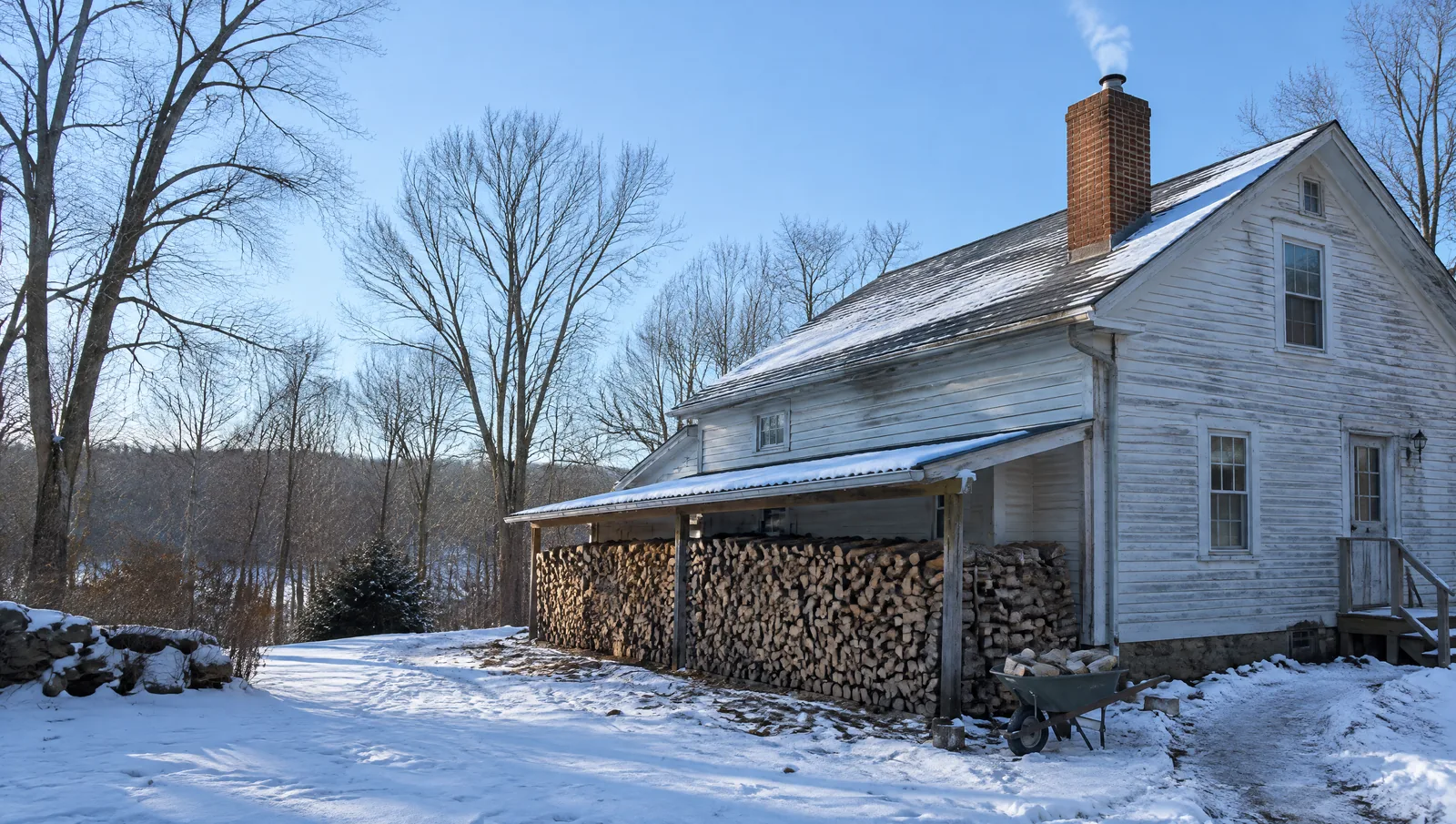
Most advice says to have a chimney swept once a year. That works for a fireplace that sees a dozen fires a winter. It is not much help when a wood stove or insert is the main source of heat and burns every day from late fall into spring.
The honest answer is that a wood-heated home sweeps when the flue says so, not when the calendar does. This guide explains what the standards actually measure, why heating with wood speeds things up, and how to build a simple routine so creosote never gets ahead of you.
What the standards actually measure
The Chimney Safety Institute of America points to NFPA 211, the national standard for chimneys and fireplaces, which calls for chimneys, fireplaces and vents to be inspected every year. Inspection and sweeping are two different things. The yearly inspection tells you the condition of the system. Sweeping is the cleaning that happens when the inspection finds enough buildup to need it.
CSIA's rule of thumb for how much is too much is 1/8 of an inch of sooty buildup inside the flue. At that point the chimney should be swept. If any glazed creosote is present, the hard, shiny kind, it should be swept sooner, because glaze is difficult to remove and burns intensely in a chimney fire.
So the real question for a wood-heated home is not how many sweeps a year, but how many weeks of burning it takes your stove to lay down 1/8 of an inch. That varies a lot from one house to the next.
Why a heating stove fills a flue faster
Creosote forms when smoke cools and condenses on the inside of the flue. Anything that makes the smoke cooler or wetter makes more of it. A stove used for heat runs for many more hours than a fireplace, and it is often turned down to burn slowly through the night. That slow, air-starved fire is the biggest single source of creosote in most homes.
In a cold climate the effect is stronger. Rural northern New Jersey towns see long heating seasons, and in Lafayette Township about 6.9% of homes use wood as their main heating fuel, according to Census estimates. A stove in one of those homes may burn more wood in a month than a fireplace burns in a year.
The three stages of creosote
CSIA describes creosote as appearing in several forms. The first is a crusty, flaky deposit that brushes off fairly easily. The second is a tar-like layer that sticks to the flue. The third is a shiny, hardened glaze that can coat the liner like enamel. A routine sweep handles the first stage well. The later stages take more work and usually mean the burning habits or the setup need to change, not just the cleaning schedule.
If you heat a rural home with wood and want the flue checked before the season gets busy, our page on chimney service in Lafayette Township explains what a visit covers for stoves, inserts and oil flues alike.
Checking your own flue between sweeps
You do not have to climb on the roof to keep an eye on buildup. A few safe checks, done when the stove is completely cold, tell you a lot.
- Look up the stovepipe or through the cleanout tee with a bright flashlight and note the color and texture of the deposits
- Scrape lightly with a small tool in a reachable spot to see how thick the layer is
- Watch for black, flaky bits falling into the stove or onto the hearth
- Check the cap from the ground with binoculars for a clogged or darkened screen
- Notice whether the stove starts drawing more slowly than it did earlier in the season
What changes the timing in your home
The wood itself matters most. The EPA's Burn Wise program says wood burns best at a moisture content under 20 percent, recommends seasoning it for at least six months, and suggests testing it with a moisture meter. Dry wood is darker, lighter in the hand and sounds hollow when two pieces are knocked together. EPA also recommends storing wood outdoors, off the ground, with only the top covered, because covering the sides traps moisture.
How you burn comes next. EPA's advice is to build hot fires, since a smoldering fire is neither safe nor efficient. Short, hot fires with enough air leave less behind than a stove packed full and shut down for the night.
The chimney plays a part too. A flue that is much larger than the stove's outlet lets smoke slow and cool, and an exterior chimney on a cold wall cools it further. CSIA notes that liners serving wood-burning appliances should be insulated, which helps keep flue gases warm enough to carry moisture and smoke out before they condense.
A practical sweeping plan for a wood-heated home
Most households that heat with wood settle into a routine like the one below. Treat it as a starting point and adjust it to what your own flue shows.
- Before the season: a full sweep and inspection, including the cap, liner and stove connection
- A few weeks into steady burning: a buildup check, with a sweep if deposits are near 1/8 of an inch
- Midwinter: another check for heavy users or anyone burning wood that is not fully dry
- End of season: a sweep, so acidic deposits do not sit in the flue all summer and cause odors
Stop and call before the next fire if you notice this
Some signs mean the flue may already have had a chimney fire, which CSIA says often goes unnoticed. Look for puffy, honeycombed creosote, a warped damper or stovepipe, a discolored or distorted cap, cracked flue tiles, or creosote flakes on the roof or the ground below the chimney.
CSIA advises against using a chimney after a suspected chimney fire until it has been swept and evaluated, because the damage often cannot be seen from inside the house. In a home that depends on wood for heat, having a backup heat source ready for those few days is worth planning ahead.